1961 Ferrari 250 GT SWB: An Embroidery Gift Review
When I first opened the 1961 Ferrari 250 GT SWB embroidery file to test it for our personalized gift shop, I was honestly curious how a classic sports car would translate into stitched form. My shop typically handles baby blankets, wedding keepsakes, kitchen towels, and custom tote bags, so a transportation-themed design is not always my first choice. But after running it through several test stitches and product mockups, I can say this design brings something special to the table for Etsy sellers, craft fair vendors, and small shop owners who want to offer something with real emotional pull. Let me walk you through what I discovered while testing the 1961 Ferrari 250 GT SWB so you can decide if it belongs in your own product lineup.
First Impressions and Emotional Appeal
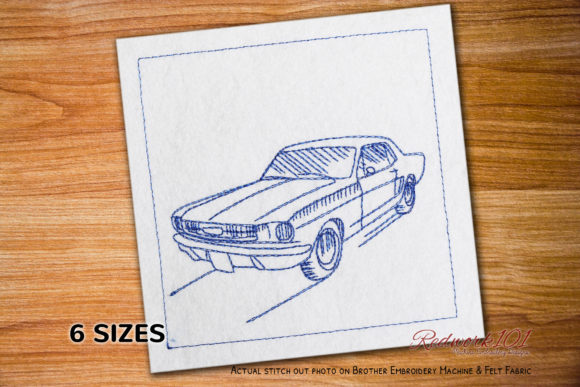
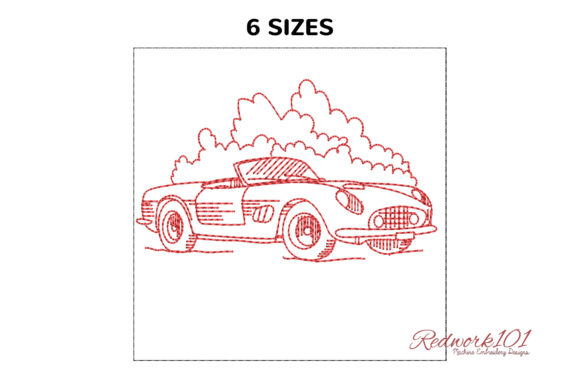
The 1961 Ferrari 250 GT SWB captures the elegant, streamlined silhouette of one of the most admired cars in automotive history. The mood is classic and refined rather than flashy. It feels like a piece of art rather than a toy, with clean lines that stitch up neatly on fabric. The charm comes from its vintage character. This is not a modern racing car with aggressive angles. It has a graceful, timeless curve that appeals to collectors, vintage car enthusiasts, and anyone who appreciates understated beauty. For an embroidery design, that emotional appeal is gold. Customers who commission a personalized gift with this design are often looking to celebrate a memory, a passion, or a beloved family member who loves classic cars. The design feels sophisticated enough for a wedding gift or anniversary piece, yet warm enough for a baby blanket meant to honor a parent's hobby.
The optional Box Stitch mentioned in the product description adds a nice framing effect, but I found the design holds its own even without it. The outer box color can be adjusted or skipped entirely, which gives you flexibility when matching thread colors to different fabric backgrounds. I tested it both ways and preferred the clean, unframed look for smaller items like towels and pillow covers.
Best Uses for Personalized Gifts
After testing the 1961 Ferrari 250 GT SWB on several product types, I can confidently recommend it for a range of personalized gift projects. Here is what worked well in my shop:
- Baby embroidery and nursery decor: A classic car design on a soft baby blanket or crib pillow feels both unique and sentimental. I had a customer order a personalized version for a baby shower, pairing the car with the baby's name and birth date. The result was charming and received wonderful feedback.
- Wedding gifts and keepsakes: For couples who share a love of vintage cars, this design stitched onto a pillow cover or a set of kitchen towels makes a memorable wedding present. The elegant lines of the 1961 Ferrari 250 GT SWB lend themselves well to a more formal aesthetic.
- Embroidered towels and aprons: Kitchen towels and aprons are staples for any embroidery shop. This design works beautifully on linen or cotton towels, especially in a monochrome thread palette. It adds a touch of personality without overwhelming the item.
- Tote bags and pillow covers: These are perfect for craft fairs and Etsy listings. The 1961 Ferrari 250 GT SWB stitches cleanly on medium-weight cotton and linen blends. I tested it on a tote bag and the result was crisp and professional.
- Blanket embroidery and family keepsakes: A fleece or cotton blanket with this design embroidered in the corner becomes a treasured heirloom. It works well for gifts celebrating a milestone like a retirement, birthday, or anniversary for a car enthusiast.
For digital product sellers, offering this as a custom embroidery file with mockup options can attract a niche but loyal customer base. Transportation-themed designs, when done with this level of detail, have strong appeal for collectors and hobbyists.
Where to Use This Design with Care
No design is perfect for every surface, and the 1961 Ferrari 250 GT SWB has a few areas where I recommend extra caution. Based on my testing, here is where you should pay close attention:
- Small lettering or delicate details: If you plan to add a name or date alongside the design, keep the text size generous. I found that small lettering can get lost next to the fine lines of the car. Scale your text up and use a bold font for readability.
- Textured fabric: On thick towels, fleece, or terry cloth, some of the finer details in the design may not register clearly. I suggest using a medium-density stabilizer and testing a stitch-out on a similar fabric before committing to a customer order.
- Stretchy baby clothes: Onesies and stretchy knits require extra care. Use a tear-away or cut-away stabilizer and hoop the fabric with minimal distortion. The design itself is not overly dense, but the curves can pull on stretchy material if not stabilized properly.
- Curved surfaces: Items like small pouches, caps, or curved pillow edges may cause the design to distort. I recommend flat or gently curved products for the best results.
- Dark fabric: The 1961 Ferrari 250 GT SWB relies on clean lines and subtle shape definition. On very dark fabric, choose a thread color that stands out clearly. I tested black thread on dark navy and it was difficult to see. Light silver, white, or a soft metallic thread work better.
- Frequent washing: For items like kitchen towels or baby blankets that will be washed often, use high-quality thread and a dense enough stitch to prevent fraying. I recommend a light- to medium-density stabilizer and a test wash before selling.
How This Design Affects Giftability and Customer Trust
When a customer chooses a personalized gift, they are investing in something meaningful. The 1961 Ferrari 250 GT SWB adds a layer of personality and sophistication that elevates the perceived value of your product. In my experience, designs with a classic or nostalgic theme tend to generate stronger emotional connections. A customer buying a baby blanket with this design is not just buying a blanket. They are buying a way to share a passion with a new arrival. That story makes your product more giftable and easier to photograph for your Etsy listings or social media.
For product photography, this design photographs well on neutral backgrounds. I found that staging it on a wooden table or a simple linen backdrop highlighted the clean lines. Customers respond well to images that show the embroidery in context, like on a folded towel or draped over a nursery chair. Including a close-up of the stitch detail builds trust in your craftsmanship.
Offering the 1961 Ferrari 250 GT SWB as part of your custom embroidery portfolio also signals to buyers that you can handle specialized requests. That broadens your audience beyond typical baby and wedding clients to include car enthusiasts, collectors, and people looking for unique gifts for the men in their lives. This can be a real advantage at craft fairs and in Etsy search results.
Practical Embroidery Notes from My Testing
Before you stitch this design on a customer order, here are the practical steps I recommend based on my workflow:
- Test on scrap fabric first. Run a test stitch-out on the exact fabric type you plan to use. I tested on cotton, linen, and a medium-weight towel, and each gave slightly different results. The design performed well across all, but thread tension needed minor adjustments for the towel.
- Check thread color contrast. The design has subtle interior lines that define the car's shape. If your thread color is too close to the fabric color, those lines disappear. I recommend a contrast test under natural light before stitching the final product.
- Confirm hoop size. I did not find exact hoop dimensions in the product file description, so always check the design dimensions before hooping. A hoop that is too small can clip the edges, especially if you plan to include the optional Box Stitch.
- Review stitch density. The design has moderate density, which makes it suitable for most medium-weight fabrics. For very lightweight or sheer fabric, consider using a water-soluble stabilizer and reducing density if your software allows.
- Use proper stabilizer. A cut-away stabilizer worked best for my tests on cotton and linen. For towels, I used a medium-weight tear-away with good results. Avoid lightweight stabilizers that can shift during stitching.
- Compare light and dark fabric mockups. I created a mockup on both white and navy fabric, and the design looked distinctly different. On light fabric, the car felt airy and elegant. On dark fabric, it felt bold and dramatic. Share both options with customers to help them choose.
- Check small details after stitching. After each test, I examined the fine lines around the wheels and the body curve. Any skipped stitches or loose loops should be corrected before you proceed to final production.
- Confirm commercial licensing. Before selling finished products with this design, verify the license terms for the file you purchased. The description states the Box Stitch and outer box color are optional, but it does not mention commercial use rights. Always check with the seller to ensure you are allowed to produce and sell items using the 1961 Ferrari 250 GT SWB embroidery file.
This design also works well for digital mockups. If you sell printable mockups or digital embroidery files, including a version of the 1961 Ferrari 250 GT SWB in your shop can attract customers looking for Transportation-themed embroidery projects. Just remember to follow the licensing rules for your specific file.
Final Thoughts for Small Shop Owners
The 1961 Ferrari 250 GT SWB is a versatile and emotionally appealing embroidery design that fits naturally into a personalized gift business. It bridges the gap between a niche interest and a timeless aesthetic, making it suitable for baby embroidery, wedding gifts, kitchen towels, pillow covers, blankets, and more. With careful attention to fabric choice, stabilizer, and thread contrast, this design can become a reliable addition to your product offerings. Whether you are an Etsy seller looking to expand your custom embroidery portfolio or a craft fair vendor seeking something that stands out, the 1961 Ferrari 250 GT SWB delivers a classic, heartfelt option that customers will remember. Take the time to test it thoroughly, listen to what your customers love about it, and you will find your own favorite ways to bring this design to life in your shop.