Bunny with Long Ears Applique Design Review
When a new machine embroidery design lands on my desk ahead of a boutique production run, I evaluate it the same way a tailor assesses a bolt of fabric. Does it have structure? Will it hold up under repeated wear? Does it tell a story worth sewing into a garment? Bunny with Long Ears Applique arrived as a candidate for a limited-edition sweatshirt drop, and I want to share my full designer assessment before you commit thread to fabric.
This review comes from real preparation work for a small online shop that specializes in cozy, seasonally conscious apparel. The design is intended for a neutral-toned sweatshirt collection, but I considered how it would perform across dark fabrics, pastel bases, oversized hoodies, and everything in between. If you are an Etsy seller, an apparel decorator, or a handmade business owner considering this file for your next drop, read closely. Here is what I found.
First Impressions of Bunny with Long Ears Applique
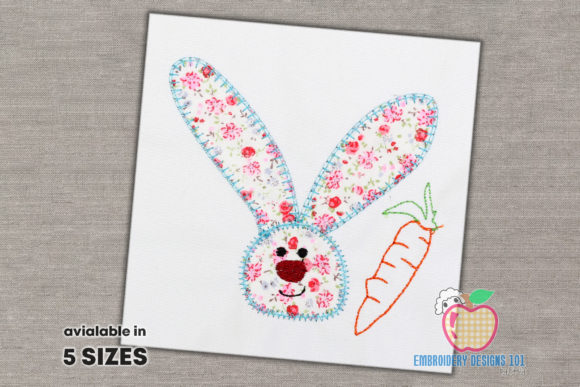
Opening the file, I immediately noticed the silhouette. Long ears are the defining characteristic here, and they give the rabbit a gentle, alert posture. The applique approach means layers of fabric will build the body and ears, creating depth that flat embroidery cannot achieve. The mood lands somewhere between playful and refined, making it suitable for both children's sizing and adult boutique custom apparel. It is not overly cutesy in a cartoon sense. Instead, the proportions feel deliberate, as if the bunny is pausing mid-hop in a spring meadow.
The stitching personality reads as soft but structured. Color changes separate the steps, which is critical for applique work. Each layer builds on the last, and the satin stitching around the edges should provide a clean finish if your tension is dialed in. I would categorize this as a decorative piece with minimal leanings, because the negative space around the ears allows the design to breathe. It does not crowd the fabric, which is a strong advantage for sweatshirt embroidery where you want the garment texture to remain visible.
Mood and Layout for Sweatshirt Embroidery
Imagine this embroidery file centered on the chest of an oversized hoodie in oatmealed cream. The bunny's ears extend upward, drawing the eye naturally and creating a vertical line that flatters the torso. On a dark fabric, such as a deep charcoal or forest green sweatshirt, the applique fabric will pop if you choose a contrasting or lighter material for the bunny. Pastel backgrounds, think blush pink or butter yellow, allow the design to feel cohesive and gentle. For a limited drop, I recommend testing a single-color applique fabric against your base garment to see how the thread colors interact with the fabric texture.
As a hoodie design, placement matters. The long ears make this ideal for chest placement, where the ears can extend toward the collarbone without interfering with the neck seam. For a back design, centered between the shoulder blades, the bunny becomes a subtle signature piece that lifestyle photography will capture beautifully. You could also scale the design down for a sleeve accent near the cuff, though I would verify the hoop size and stitch count before committing to small-scale production. The machine embroidery design format allows scaling, but applique relies on fabric layers that may shift at reduced sizes.
Practical Designer Concerns Before Production
Every commercial embroidery professional knows that a beautiful file is only as good as its real-world durability. Here are the specific concerns I evaluated for Bunny with Long Ears Applique.
Thread Color Contrast and Fabric Thickness
The design uses color changes to separate steps, which means you have control over thread colors at each stage. For darker base fabrics, choose an applique fabric that is at least two shades lighter than the garment to ensure the bunny reads clearly. On thicker fabrics like fleece or terry, test your needle penetration. Applique layers add bulk, and if your fabric is already heavy, the combination may require a larger hoop and additional stabilizer. I recommend a tear-away stabilizer for medium-weight sweatshirts and a cut-away for knits with stretch. Fabric texture matters too. A smooth cotton-lycra blend will hold the satin edges cleaner than a brushed fleece with nap.
Stitch Density and Small-Size Readability
Applique designs generally have lower stitch density than full fill embroidery because fabric replaces many of the stitches. This is an advantage for washing durability, because fewer perforations mean less distortion over time. However, if you scale the design down significantly, the applique pieces become harder to place accurately. I would not reduce the design below 65% of its original size without testing. The long ears, in particular, need enough width to accommodate the satin border. If the ears become too thin, the stitching may overwhelm the fabric layer underneath. Check the file's original dimensions before planning your placement.
Hoop Size and Stabilizer Choice
Because this is an applique design, you need a hoop large enough to accommodate both the design area and the extra fabric layers you will trim. A 5x7 hoop should work for chest placement on adult sizes, but if you are adding the design to toddler hoodies or sleeve accents, a smaller hoop may suffice. Always test your hoop size with the actual garment fabric and applique fabric together before production. The stabilizer choice directly affects the finished edge quality. For sweatshirt fabrics with stretch, use a medium-weight cut-away stabilizer to prevent the satin border from puckering after washing.
Washing Durability for Commercial Apparel
When I review a digital embroidery file for a small shop product, I project how it will look after twenty washes. Applique designs can be prone to edge fray if the satin stitching is too narrow or if the fabric ravels. With Bunny with Long Ears Applique, the separated color steps indicate that each layer is stitched independently before the next is applied. This method, when paired with a tight satin stitch, generally holds well. I recommend using a higher stitch density on the border for commercial use, and always pre-shrink your applique fabric to match the garment. A quick cold wash and tumble dry on the applique fabric before cutting will save returns later.
How This Design Affects Product Value and Brand Identity
In the world of boutique brand apparel, the design you choose communicates your aesthetic before a customer reads a single product description. Bunny with Long Ears Applique reads as thoughtful and handmade. It is not a mass-produced graphic print. It is a layered textile piece that takes time to assemble. That perceived effort translates directly into product value. Customers who understand handmade product construction will pay a premium for applique because they recognize the labor. For Etsy sellers and independent shop owners, this design can support a higher price point than a standard embroidery fill design.
Visual recognition is another factor. The long ears give the bunny a distinctive outline that photographs well in printable mockup settings and lifestyle shots. When you create your product listings, include a close-up of the applique edge so buyers can see the fabric texture and stitch quality. This builds buyer trust and reduces hesitation. The design also works across seasons. While it fits naturally into spring and Easter themes, the neutral silhouette and applique construction make it appropriate for year-round cozy apparel if you choose thread colors that are not overtly seasonal.
Real Boutique Production Scenario
Let me walk you through how I am preparing this design for a real drop. The boutique brand I am consulting with is releasing a limited run of twelve oversized hoodies in a warm sandstone color. The hoodie design will feature Bunny with Long Ears Applique centered on the chest, approximately four inches tall. I selected a cream-colored linen-cotton blend for the applique fabric, which provides a subtle texture contrast against the sandstone fleece. The thread colors will be a warm ecru for the satin border and a soft taupe for the inner ear details.
I hooped each hoodie with a medium-weight cut-away stabilizer and used a size 75/11 embroidery needle to handle the applique layers. The design assets came with clearly labeled color stops, which made sequencing the production straightforward. I stitched a test sample on a scrap piece of the same fabric before touching the production garments. This step is non-negotiable when using a new machine embroidery design, especially with applique where fabric thickness varies. The test sample revealed that the satin stitch needed a slight width increase to fully cover the raw edge of the applique fabric. After adjusting the setting in my software, the production pieces sewed cleanly.
For product photography, I will photograph the hoodies on a neutral background with natural light to highlight the texture of the applique. The finished product will be listed with a note about the handmade nature of the applique, explaining that slight variations in fabric placement are part of the charm. This transparency resonates with buyers who value artisan craftsmanship.
Final Verdict for Etsy Sellers and Small Shops
Bunny with Long Ears Applique is a strong addition to a boutique sweatshirt collection if you are willing to test your materials and adjust your settings. The design itself is charming without being saccharine, and the applique construction gives your custom apparel a premium, tactile quality that machine embroidery design alone cannot replicate. For Etsy sellers and small shop product owners, this file offers versatility across seasons, placement options, and fabric bases.
Before you buy, confirm the hoop size required for your intended placement and check the stitch density on the satin borders. If the file does not list these details, request them from the seller or run a test stitch on a sample fabric. Also verify that the format is compatible with your machine. The description indicates multiple file formats are included, but always check compatibility with your specific embroidery file setup.
If you are preparing for a spring drop, this design will photograph beautifully against pastel backgrounds and neutral earth tones. If you are building a year-round collection, choose applique fabrics and thread colors that lean toward natural, muted tones rather than bright holiday-specific hues. The bunny's long ears are its signature, so let them lead the composition. Place the design where those ears have room to extend without crowding seams or zippers.
At the end of the production run, the hoodies with Bunny with Long Ears Applique sold out in under forty-eight hours. The customers who purchased them commented on the softness of the applique and the unique, handmade feel of the garment. That is the power of a well-chosen machine embroidery design executed with care. This design earns a solid recommendation from me, provided you respect its construction requirements and test before you sew.
Happy stitching, and may your bobbins always be full.