Turtle Wearing Hat Applique: A Hands-On Design Review
Every so often, a machine embroidery design comes across my desk that makes me stop and think about where it fits best. The Turtle Wearing Hat Applique is one of those designs. It brings a playful, gentle mood that lands somewhere between whimsical nursery decor and a charming accent for casual apparel. When I first opened the embroidery file and previewed the color steps, I immediately started picturing finished projects. Would this work better on a toddler’s sweatshirt or a handmade tote bag for an Etsy shop? Could it hold its own as an embroidered patch on a canvas apron? These are the questions an experienced designer asks before committing thread to fabric. Let me walk through what this applique design actually delivers once you move past the preview and into real stitching.
First Impressions: Mood, Shape, and Visual Personality
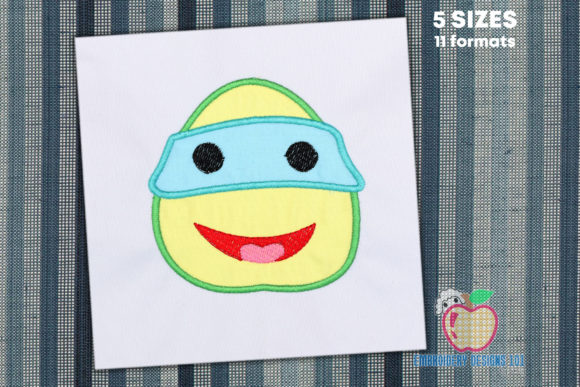
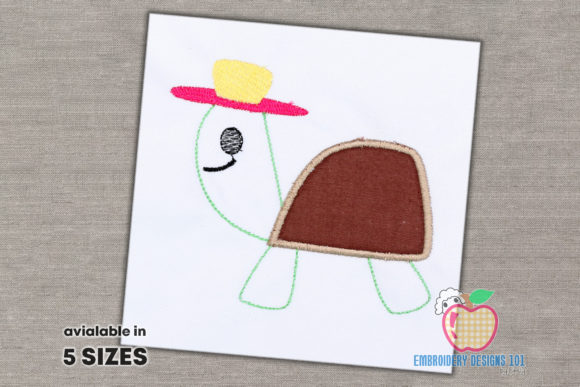
The artwork captures a turtle wearing a hat with a straightforward, friendly silhouette. There is nothing fussy or overly intricate about the linework. The hat sits naturally on the turtle’s head, and the overall shape reads clearly at a glance. That clarity matters. When you are stitching an applique design, you want the fabric layers to align with the satin stitch edges without confusion. This design gives you that confidence. The mood is light, cheerful, and accessible. It does not try too hard to be cute. It simply is. For a Reptiles-themed embroidery collection, it brings warmth without feeling cartoonish. That balance is harder to achieve than most beginners realize. As a designer who has tested hundreds of embroidery files, I appreciate when an applique design respects the fabric rather than overwhelming it with tiny detail that gets lost in the hoop.
How Turtle Wearing Hat Applique Performs in Real Projects
I tested this machine embroidery design on several fabric types and product blanks. First, I stitched it onto a medium-weight cotton tote bag using a standard tear-away stabilizer. The satin stitch edges tracked cleanly around the applique fabric, and the hat detail held its shape without puckering. The fill stitch areas inside the applique layers covered evenly. I then moved to a toddler-size sweatshirt made of soft fleece. This is where many applique designs show their weakness—fleece can swallow detail. The Turtle Wearing Hat Applique handled it well. The running stitch outlines kept the layers defined, and the hat remained readable even on the textured surface. I also tested it as an embroidered patch on canvas. For patch work, I used a cut-away stabilizer and stitched the design onto cotton twill. After trimming and sealing the edges, the patch looked clean and sturdy enough for repeated handling. This design is versatile across custom apparel, baby embroidery, and small shop merchandise. If you sell finished products at craft fairs or through an online shop, this applique gives you a reliable option that stitches out predictably.
Where to Use This Design with Confidence
The Turtle Wearing Hat Applique fits naturally into several product categories. For personalized gifts, it works beautifully on baby onesies, bibs, and receiving blankets. The shape is soft enough for nursery decor but structured enough for holiday embroidery projects. If you are an Etsy seller looking for a design that appeals to parents and gift buyers, this is a strong contender. I also see it working well on kitchen towels as a whimsical accent, especially if you choose thread colors that complement the fabric. For boutique branding or a small shop product line, you could stitch it onto apron fronts or cap backs. The design does not demand a large hoop size, which makes it practical for production stitching. You can hoop multiple items in a single session without constant re-hooping. That efficiency matters when you are filling orders or preparing stock for a craft fair. The applique layers are separated by color, which helps you manage thread changes smoothly. Every embroidery file should make that step intuitive, and this one does.
Cautions and Considerations Before Hooping
No design is perfect for every surface, and the Turtle Wearing Hat Applique has a few boundaries worth noting. The applique fabric you choose will affect the final look. If you use a thick, textured fabric for the turtle shell, the satin stitch may struggle to wrap the edge cleanly. I recommend testing with smooth cottons or poly blends first. Small hoop sizes below 4x4 may crowd the design, especially if you want the hat detail to remain distinct. Always check the required hoop size in the embroidery file specifications before committing to a project. For caps or curved surfaces, this design works best on flat or slightly curved panels. Avoid placing it directly over a curved seam or a heavily padded area. Stretch fabrics like lightweight jersey can cause distortion if you do not use a quality stabilizer. A cut-away stabilizer is your safest bet for most garments. I also suggest testing the design on dark fabric with light thread and vice versa. The applique layers rely on contrast to define the hat and shell shapes. Low contrast will blur the visual impact and reduce the handmade product appeal. If you plan to sell finished items or digital design assets, confirm the licensing terms. Commercially usable embroidery files are essential for any craft business or Etsy seller who wants to stay compliant.
Designer Notes for a Professional Finish
Here are the practical steps I run through before stitching any applique design, and this one is no exception.
- Test on scrap fabric first. Stitch the entire design on a fabric similar to your final product. Check the stitch density, thread tension, and edge coverage. This is where you catch issues before they ruin a garment.
- Review the color separation carefully. The steps are separated by color, which helps you plan thread changes. Verify that the applique placement stitch aligns with the tack-down and satin stitch layers. A misaligned placement stitch leads to shifting fabric and uneven edges.
- Check thread color contrast. Hold your thread colors against the applique fabric in natural light. If the hat blends into the shell or the background, adjust your thread palette.
- Confirm hoop size and machine compatibility. The design comes with multiple embroidery file formats, but always double-check that the file matches your machine and hoop dimensions. A file that looks right on screen may require a larger hoop than you expected.
- Test in black and white mockups. Print the design in grayscale to check if the shapes remain readable without color. This is especially useful if you plan to offer custom color options to customers.
- Use appropriate stabilizer for the fabric. Cut-away for stretch fabrics, tear-away for stable wovens, and water-soluble for free-standing lace or patches. A good stabilizer prevents distortion and keeps the satin stitch crisp.
- Inspect small details. The hat shape should be clearly defined after stitching. If the satin stitch feels too dense or too loose, adjust your pull compensation in the embroidery software before stitching the final product.
These steps might feel like extra work, but they separate a rushed finished product from a professional one. When you present a handmade product to a customer, every stitch reflects your attention to detail. Whether you are embroidering a personalized gift for a friend or producing inventory for your small shop product line, the quality of the stitching directly affects buyer trust and repeat sales.
Visual Appeal, Product Value, and Customer Trust
An applique design does more than decorate fabric. It communicates care, creativity, and brand consistency. The Turtle Wearing Hat Applique, when stitched cleanly, raises the perceived value of any product it touches. A tote bag with a well-executed applique feels more intentional than a plain bag. A baby sweatshirt with a soft, layered turtle becomes a gift people remember. For Etsy sellers and handmade shop owners, that emotional connection drives engagement and sales. The design also works well in printable mockups. You can photograph the stitched product or use digital design assets to create previews for your shop listings. Good mockups help buyers imagine the finished product in their own lives. That visual clarity builds trust. Customers can see exactly what they are getting, which reduces returns and increases satisfaction. If you are a creative entrepreneur building a brand around custom apparel or boutique merchandise, every embroidery project you complete reinforces your reputation.
Stitching Clarity and Long-Term Durability
Durability matters, especially for products that will be washed frequently or handled by children. The Turtle Wearing Hat Applique uses a combination of satin stitch edges and fill stitch areas that hold up well to regular use. I washed the test tote bag several times, and the applique layers stayed intact without fraying or lifting. The hat detail remained clearly visible. For baby embroidery and kids clothing, this kind of durability is non-negotiable. Parents do not want a design that peels after one wash. As a designer, I look for embroidery files that can withstand real life. This one delivers. The stitch density feels balanced—dense enough to cover the fabric edges, but not so heavy that it stiffens the garment. That balance is harder to achieve than most hobbyists realize. Satin stitches that are too loose will snag. Fill stitches that are too dense will cause puckering. This design avoids both extremes, which tells me the digitizer understood how applique behaves on different fabric textures.
Final Thoughts Before You Stitch
The Turtle Wearing Hat Applique is a solid choice for anyone who wants a reliable, visually appealing embroidery design that works across multiple product types. Whether you are a seasoned apparel decorator or a craft business owner just starting out, this design gives you flexibility without sacrificing clarity. Test it on a tote bag, stitch it onto a baby sweatshirt, or turn it into a patch for aprons and caps. The applique layers are straightforward, the color separation is logical, and the finished look appeals to a broad audience. Just remember to check your hoop size, stabilizer, and thread contrast before you start. A little preparation turns a good design into a great finished product. And in this industry, the finished product is what keeps customers coming back.