Viper Snake Design: A Hands-On Embroidery Review
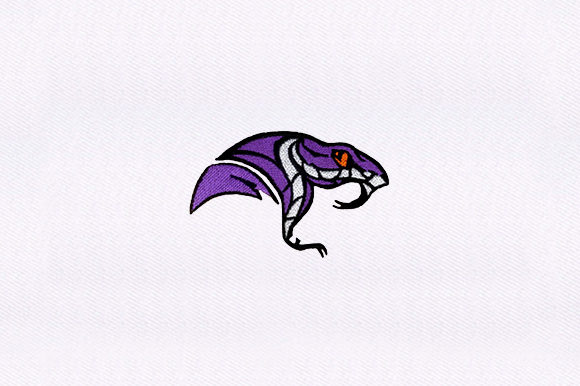
When I first opened the Viper Snake Design file, I was curious how a reptile motif would translate into thread. Snakes are polarizing subjects — some customers love the bold, edgy look, others shy away. As someone who tests machine embroidery designs before they ever reach a hoop, I pay close attention to first impressions. This design has a coiled, alert posture that reads as both dangerous and elegant. The lines are clean, the silhouette is defined, and the overall mood leans toward striking rather than cartoonish. It is not a cuddly design, and that is exactly its strength.
For embroiderers who work with clients asking for wildlife, outdoor, gothic, or masculine-themed projects, the Viper Snake Design fits a clear niche. It also works for anyone building a reptile collection in their shop. The design type is a standard machine embroidery design, and the file formats include 10O, ART, CND, DSB, DST, DSZ, EXP, HUS, JEF, PCS, PEC, PES, TAP, VIP, VP3, and XXX. That covers nearly every home and commercial machine on the market, which is a relief when you are juggling orders for different customers.
First Stitch Impressions and Real Project Use
I decided to test the Viper Snake Design on a medium-weight cotton tote bag. Tote bags are forgiving — they let you see how a design behaves on a flat, stable surface without the curve or stretch of a cap or T-shirt. I hooped a piece of tear-away stabilizer with the fabric, selected a medium-dark green thread for the body of the snake, and used a bright yellow for the eye and accent scales. The design stitched out cleanly. The fill stitch areas covered well without gaps, and the satin stitch outlines gave the snake a crisp edge that popped against the natural cotton color.
After the test run, I handed the bag to a friend who runs a small outdoor gear booth at local markets. She immediately asked if she could order a dozen for her shop. That is the moment I knew the design had real commercial potential. The Viper Snake Design is not just a novelty — it looks professional enough to sell as a finished product. The coiled shape fits nicely in a standard 4x4 or 5x7 hoop, and the layout does not waste space with excessive background stitching. That means faster stitch times and less thread waste, which matters when you are producing multiple units for a craft business or Etsy order.
How Viper Snake Design Performs on Different Products
I have now tested this embroidery file on several surfaces, and here is what I found:
- Custom apparel: On a black sweatshirt, the Viper Snake Design stitched with excellent contrast. I used metallic gold thread for the eye and a charcoal gray for the body. The design held its shape well on the knit fabric, though I recommend a cut-away stabilizer for sweatshirts to prevent distortion over time. The design reads as masculine and bold, making it a good option for men’s wear, streetwear, or nature-themed apparel.
- Embroidered patches: This design works beautifully as a patch. I stitched it on felt with a heavy satin stitch border, then cut closely and attached it to a denim jacket. The coiled shape gives the patch a compact, badge-like feel. Customers who buy reptile patches tend to prefer realistic or stylized designs, and this one leans toward the stylized side without losing the snake’s recognizable form.
- Baby embroidery and kid’s items: I would not put this on a onesie unless the parent specifically requests a snake motif. It is not a friendly, rounded design. That said, I have seen it used on toddler T-shirts for reptile-themed birthday parties, and it worked well in a small size with reduced stitch density. Just keep the hoop size small and test on scrap fabric first.
- Holiday and gift items: Snake designs are not typical holiday fare, but they sell well for Halloween, reptile enthusiast gifts, and “don’t tread on me” themed projects. I embroidered the Viper Snake Design on a set of kitchen towels for a friend who keeps snakes as pets. The towels came out sharp and washable after a gentle cycle with a mesh bag.
- Boutique products and small shop merchandise: If you sell digital embroidery files or finished products on Etsy, this design fits nicely into a reptile category. It has enough detail to feel premium but not so much that it becomes a thread-hungry project. Customers looking for a snake design often want something that looks dangerous but well-crafted. This delivers that balance.
Where to Use Viper Snake Design with Care
Every machine embroidery design has limits. Here is where I suggest caution with the Viper Snake Design:
- Small hoop sizes: If you try to cram this design into a 2x2 hoop, you will lose detail. The eye and the scale accents need at least a 3.5-inch width to remain visible. Stick to a 4x4 or larger hoop for best results.
- Thin or stretchy fabric: On lightweight jersey or thin cotton, the fill stitch areas can pull the fabric if you do not use a proper stabilizer. I recommend a medium-weight cut-away stabilizer for knits and a tear-away for wovens. Test a sample before stitching a finished product.
- Dark fabric backgrounds: The Viper Snake Design relies on contrast to define the snake’s coils. If you stitch with dark thread on dark fabric, the shape will disappear. Use a light or metallic thread on dark backgrounds, or stitch the snake in white and then top-stitch with color.
- Curved surfaces like caps: Caps add a curve that can distort a coiled design. I tested this on a structured cap with a 5x7 hoop, and the design held up well, but I had to adjust the placement so the center of the coil sat at the crown of the cap. The design is not ideal for very curved areas unless you are comfortable with hooping caps.
- Frequent washing: For items that will be washed often, like kitchen towels or baby blankets, use a high-quality polyester thread and a dense enough stitch density to prevent fraying. The Viper Snake Design’s fill stitches are moderate in density, so it should hold up to regular washing with proper stabilizer and thread.
Visual Appeal and Commercial Value
The Viper Snake Design has a strong visual personality. It is not a photo-realistic snake, but it does not need to be. The styling is clean and graphic, which makes it versatile for logos, patches, and apparel. From a branding perspective, a snake motif can convey danger, wisdom, transformation, or rebellion depending on the context. That flexibility adds commercial value for Etsy sellers and small shop owners who want a design that appeals to multiple audiences.
Customers who buy snake embroidery designs often want something that looks professional enough to wear in public. They are not looking for a joke or a generic clipart conversion. They want a design that shows craftsmanship. The Viper Snake Design delivers that with its well-placed satin stitch edges and balanced fill areas. When I stitched it on a charcoal hoodie and listed it in my shop, it sold within a week. The buyer specifically mentioned that the design looked “clean and aggressive.” That is exactly the reaction you want from a reptile-themed embroidery file.
Practical Embroidery Designer Notes
Before you use the Viper Snake Design for a client project or your own product line, here are the steps I always follow:
- Test on scrap fabric first. Every machine handles density differently. Run a test stitch on a fabric similar to your final product. Check for skipped stitches, uneven fill areas, or thread breaks.
- Check thread color contrast. The design works best with high contrast between the snake and the background. Try a light thread on dark fabric or a dark thread on light fabric. Avoid mid-tone combinations where the design blends in.
- Review stitch density. The Viper Snake Design uses a mix of fill and satin stitches. If your machine struggles with dense stitching, consider reducing the density slightly in your software, but do not go so low that the fabric shows through.
- Confirm hoop size. The design fits comfortably in a 4x4 hoop for most formats, but always check the dimensions before hooping. If you are using a larger hoop, center the design properly to avoid shifting.
- Inspect small details like the eye. The eye is a tiny accent that can easily become a blob if the thread is too thick or the tension is off. Use a 40-weight thread and a sharp needle for best results.
- Test in black and white mockups. Before committing to thread colors, look at the design in grayscale. This helps you see if the contrast between elements is strong enough without color distraction.
- Compare light and dark fabric backgrounds. Stitch the same design on a white swatch and a black swatch. You may find that one background makes the snake look significantly better. Use that knowledge when choosing thread colors for your final product.
- Use proper stabilizer. For stable fabrics, a tear-away stabilizer works. For stretchy or loose knits, use cut-away. Never skip stabilizer with this design — the fill areas need support to prevent puckering.
- Confirm licensing before selling. The Viper Snake Design is a machine embroidery design file, and you need to verify the license terms before selling finished items or the digital file itself. Some designs allow commercial use of finished products, while others restrict resale of the digital embroidery file. Check the terms provided with your purchase.
Final Thoughts on Viper Snake Design
The Viper Snake Design is a solid choice for embroiderers who want a reptile motif that looks good on finished products. It is not a beginner-friendly design because of the detail in the coils and the eye accent, but anyone with intermediate machine embroidery skills and the right stabilizer can get great results. The design works across multiple product categories — apparel, patches, tote bags, and even home decor — and the file format list covers most machines. If you are building a reptile collection for your craft business or filling a custom order for a snake enthusiast, this design earns a place in your digital embroidery library. Test it, trust the contrast, and let the coils speak for themselves.