A Cook in the Kitchen Redwork Design Review
First Impressions of the Design
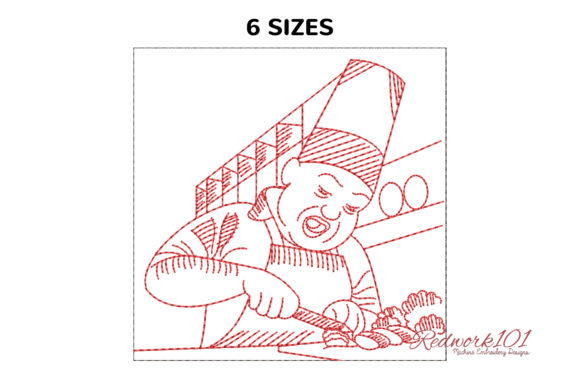
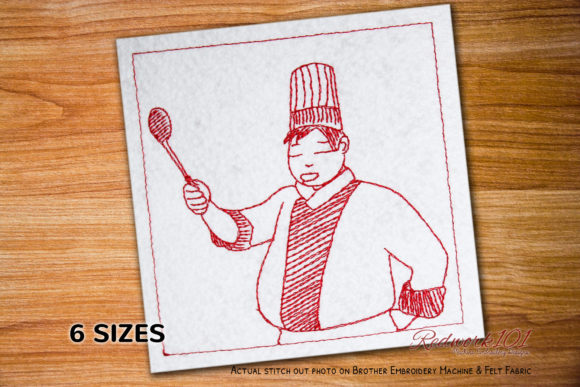
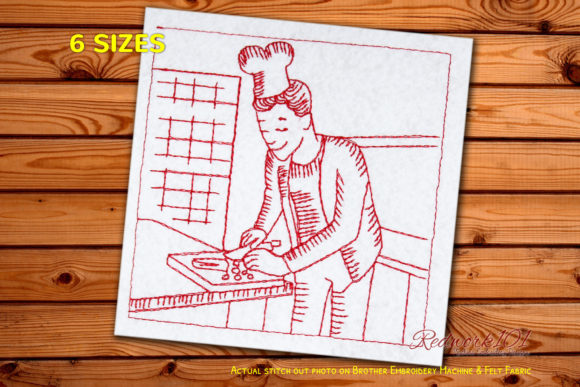
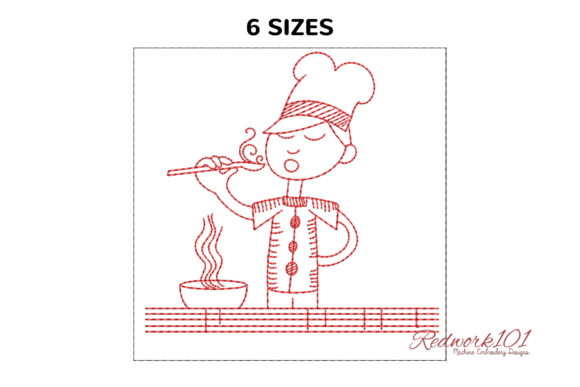
When I first opened the A Cook in the Kitchen Redwork Design file, I immediately felt a warm, nostalgic pull. The redwork style carries a classic, homey charm that suits kitchen-themed embroidery perfectly. The lines are clean, the imagery feels familiar—like something your grandmother might have stitched onto a flour sack towel. The design carries a cozy, rustic, and slightly playful tone, making it ideal for seasonal and holiday product use. It does not feel overly modern or trendy, which is a strength for crafters aiming to create handmade gifts with lasting appeal. The mood is inviting and domestic, evoking memories of family cooking and holiday gatherings. For an embroidery designer planning a seasonal collection, this is a strong foundation piece that can work across multiple product types.
Seasonal Appeal and Emotional Connection
The A Cook in the Kitchen Redwork Design taps into a powerful emotional vein. During the holiday season, buyers are drawn to items that feel personal, nostalgic, and connected to home and hearth. This design delivers exactly that. The redwork style naturally suggests warmth and tradition, and the cooking theme resonates with anyone who spends time in the kitchen preparing meals for loved ones. For Etsy sellers and small shop owners, this translates into high giftability. A kitchen towel, apron, or tote bag featuring this design becomes more than a product—it becomes a sentiment. Customers can imagine giving it to a friend who loves to bake, a parent who hosts holiday dinners, or a newlywed setting up their first home. The emotional connection boosts buyer trust and perceived value, which are critical during the competitive holiday shopping period. When you stitch this design onto a handmade gift, you are not just selling embroidery; you are selling a feeling of home.
Ideal Product Types
This machine embroidery design is versatile enough to appear on a wide range of finished products. Based on my experience testing redwork designs, here are the best applications for seasonal selling:
- Kitchen towel embroidery – The obvious choice. The design sits well on linen or cotton towels, and the redwork style pops beautifully against light fabrics. Perfect for holiday hostess gifts or stocking stuffers.
- Aprons and chef hats – A cooking-themed design on a apron is a natural match. Consider adding a personalized name in a complementary script for an extra personalized gift option.
- Tote bag design – Sturdy canvas or cotton totes are popular for farmers' market shoppers or as gift bags. The redwork style stays crisp on tote fabric.
- Pillow cover – A decorative kitchen or dining room pillow featuring this design can become a conversation piece during holiday meals. Use a neutral background to let the red stand out.
- Sweatshirt embroidery – Cozy apparel is a huge trend. A simple redwork design on the front of a cream or light gray sweatshirt creates a wearable, casual holiday piece.
- Embroidered patch – Stitch the design onto a patch and sell it as a DIY iron-on or sew-on item. This appeals to crafters who want to add the design to their own projects.
- Ornaments and gift tags – Small-scale versions of the design on felt or linen circles make cute holiday decorations or package embellishments.
Where to Use with Caution
Like any embroidery file, the A Cook in the Kitchen Redwork Design has limitations that every embroidery designer should consider before committing to a production run:
- Small hoop sizes – If you plan to stitch the design in a 4x4 hoop, check that the details remain readable. Redwork often features fine lines that can become muddy in tiny hoops. I recommend testing a scaled-down version on scrap fabric first.
- Tiny lettering – If the design includes text (such as the phrase “A Cook in the Kitchen”), ensure the letter height is large enough to stitch cleanly. Anything under 0.25 inches may lose definition, especially on textured fabrics like linen.
- Dark fabric – Redwork is traditionally stitched in red thread on white or cream fabric. On dark backgrounds, the red may not show well. You could switch to a lighter thread color, but that alters the classic redwork aesthetic. Stick to light or neutral fabrics for best results.
- Thick towels – Terry cloth or thick woven towels can distort the design due to pile height. Use a water-soluble topper stabilizer and a sharp needle to prevent sinking stitches.
- Stretchy garments – Sweatshirts and stretchy knits require careful stabilization. Use a cutaway stabilizer and consider a fusible interfacing to prevent the fabric from stretching during hooping.
- Dense stitch areas – Redwork is typically low density, but if the design has fill sections (like the optional box stitch), test for thread breaks or fabric puckering. Adjust density as needed in your embroidery software.
- Repeated washing – For kitchen towels and apparel that will be laundered often, recommend that customers use gentle cycles and avoid bleach. Red thread can fade over time, so washing instructions matter for product longevity.
Tips for Embroidery Designers
Before you add this Creative Fabrica embroidery to your seasonal collection, I recommend a few practical steps to ensure success:
- Test thread colors on light fabric – The design is meant to be redwork, but try a few shades of red (cherry, brick, or crimson) on your chosen fabric to see which creates the most appealing contrast. A bright red feels festive, while a darker red looks more vintage.
- Check stitch density – Open the embroidery file in your machine's software and review the density settings. Redwork should have low density to maintain a hand-stitched look. If the design has too many stitches per inch, it may become stiff and lose the delicate feel.
- Confirm hoop size – Verify the design dimensions against your available hoop sizes. If the design is larger than your hoop, you may need to resize it, which could affect detail clarity. Always stitch a sample before cutting fabric for a customer order.
- Use proper stabilizer – For kitchen towels, a tear-away stabilizer works well. For apparel or dense fabrics, a cutaway stabilizer provides lasting support. Test both to see which yields the cleanest stitch-out.
- Create realistic mockups – Use printable mockups to show how the design will look on different products. A tote bag mockup with the redwork design subtly placed can help Etsy buyers visualize the finished product. This increases conversion rates during holiday shopping.
- Review small details after stitching – After your test stitch, examine every line and curve. Redwork relies on consistent stitch length and even tension. If any area looks skipped or puckered, adjust your machine settings or stabilizer choice.
- Plan matching color palettes – For a cohesive holiday collection, consider pairing the redwork design with complementary colors like cream, sage green, or navy. This creates a brand consistency that customers recognize.
- Check Creative Fabrica product details and licensing – Before selling any finished product, review the specific license terms for this design. Commercial use rights vary by design, so confirm that you can sell items featuring this embroidery file. Always err on the side of caution and respect the creator's terms.
Building a Seasonal Collection with This Design
When I plan a holiday embroidery line, I look for designs that can anchor an entire collection. The A Cook in the Kitchen Redwork Design has that potential. Imagine a set of products featuring this design in a unified color scheme—kitchen towels, an apron, a tote bag, and a decorative pillow. You could offer them as gift bundles for Etsy listings, which increases average order value. For craft fair displays, group these items on a table with a simple sign that says “Handmade Kitchen Gifts.” The redwork style is instantly recognizable and draws shoppers in.
For limited edition apparel, consider a sweatshirt with the design centered on the chest. Offer it in unisex sizing and market it as a cozy holiday staple. If you sell on Etsy, create separate listings for each product variant (apron, towel, patch) but link them together in a collection. This improves visual recognition and encourages customers to buy multiple items. For social media previews, share process videos of the design stitching out, or post photos of finished products styled in a kitchen setting. The nostalgia of redwork performs well on Instagram and Pinterest, especially during November and December.
Final Thoughts on the Design
After working with many Creative Fabrica embroidery designs for seasonal projects, I can say that A Cook in the Kitchen Redwork Design is a solid choice for any embroidery seller targeting holiday shoppers. It offers the right balance of charm and versatility. The design feels both classic and fresh, and it adapts easily to different fabric textures and product types. Whether you are a seasoned Etsy seller or a hobbyist creating handmade gifts for family, this design can help you build a cohesive, appealing collection. As always, test thoroughly, pay attention to stitch density and stabilizer choice, and honor the licensing terms. With thoughtful execution, this design will serve you well through many holiday seasons to come.